
Retirement used to be simple.
Work for several decades.
Reach your mid-60s.
Collect a pension.
Enjoy retirement.
For millions of people, that reality no longer exists.
People are living longer.
Healthcare costs continue to rise.
Housing remains expensive.
Inflation has reduced purchasing power.
As a result, one of the most common financial questions today is:
How much money do you actually need to retire comfortably?
The answer depends on your lifestyle, location, health, and spending habits.
However, there are practical benchmarks that can help estimate how much retirement savings may be required in 2026.
Quick Answer
Many financial planners suggest that retirees should aim for between $1 million and $2 million in retirement assets.
For a modest retirement:
- $750,000 to $1 million
For a comfortable retirement:
- $1 million to $2 million
For a higher-end retirement:
- $2 million to $5 million+
However, the amount you need depends largely on your annual spending.
Why Retirement Is More Expensive Than People Expect
Many people underestimate retirement costs.
While some expenses decline after leaving the workforce, others increase.
Common retirement expenses include:
- Housing
- Food
- Transportation
- Healthcare
- Travel
- Insurance
- Utilities
- Entertainment
Healthcare alone can become a major expense later in life.
At the same time, retirees lose their employment income.
This means savings must generate enough income to support decades of spending.
The 4% Rule Explained
One of the most widely used retirement planning concepts is the 4% rule.
The idea is simple.
You withdraw approximately 4% of your portfolio each year.
Examples:
| Annual Spending | Retirement Portfolio Needed |
|---|---|
| $40,000 | $1,000,000 |
| $60,000 | $1,500,000 |
| $80,000 | $2,000,000 |
| $100,000 | $2,500,000 |
This is not a guarantee.
But it provides a useful starting point for retirement planning.
How Lifestyle Changes Retirement Needs
Not all retirements look the same.
A retiree living in a low-cost town will need far less money than someone retiring in New York, San Francisco, London, or Toronto.
Housing remains one of the largest variables.
Readers who explored What Salary Do You Need to Live Comfortably in Toronto in 2026? have already seen how dramatically location can influence living costs.
The same principle applies to retirement.
Retirement by Lifestyle
Basic Retirement
Typical annual spending:
- $35,000 to $50,000
Estimated retirement assets:
- $750,000 to $1.25 million
Suitable for:
- Mortgage-free households
- Lower-cost regions
- Minimal travel
Comfortable Retirement
Typical annual spending:
- $60,000 to $90,000
Estimated retirement assets:
- $1.5 million to $2.5 million
Suitable for:
- Moderate travel
- Comfortable lifestyle
- Flexible spending
Luxury Retirement
Typical annual spending:
- $120,000+
Estimated retirement assets:
- $3 million to $5 million+
Suitable for:
- Frequent travel
- Multiple properties
- Significant discretionary spending
Why Net Worth Matters More Than Salary
Many people focus on income.
Retirement planning focuses on assets.
A household earning $300,000 per year but saving very little may be less prepared than a household earning $120,000 while consistently investing.
This is one reason wealth experts often emphasize net worth over income.
We explored this concept further in What Net Worth Makes You Upper Middle Class in 2026?.
Retirement is ultimately funded by accumulated assets, not paychecks.
The First $100,000 Is Often the Hardest
Building retirement wealth usually begins with reaching the first major milestone.
For many people, that milestone is $100,000.
The reason is simple.
Investment growth becomes increasingly powerful as portfolio size increases.
As discussed in How Long Does It Take to Save Your First $100,000?, the first six figures often require the most effort.
After that, compound growth begins contributing more significantly.
Inflation Changes Everything
A million dollars today is not what it was twenty years ago.
Inflation affects:
- Housing
- Healthcare
- Food
- Transportation
- Energy
Even moderate inflation can dramatically increase retirement costs over several decades.
This is why financial planners often recommend building a margin of safety into retirement plans.
Recent energy market developments highlight this risk.
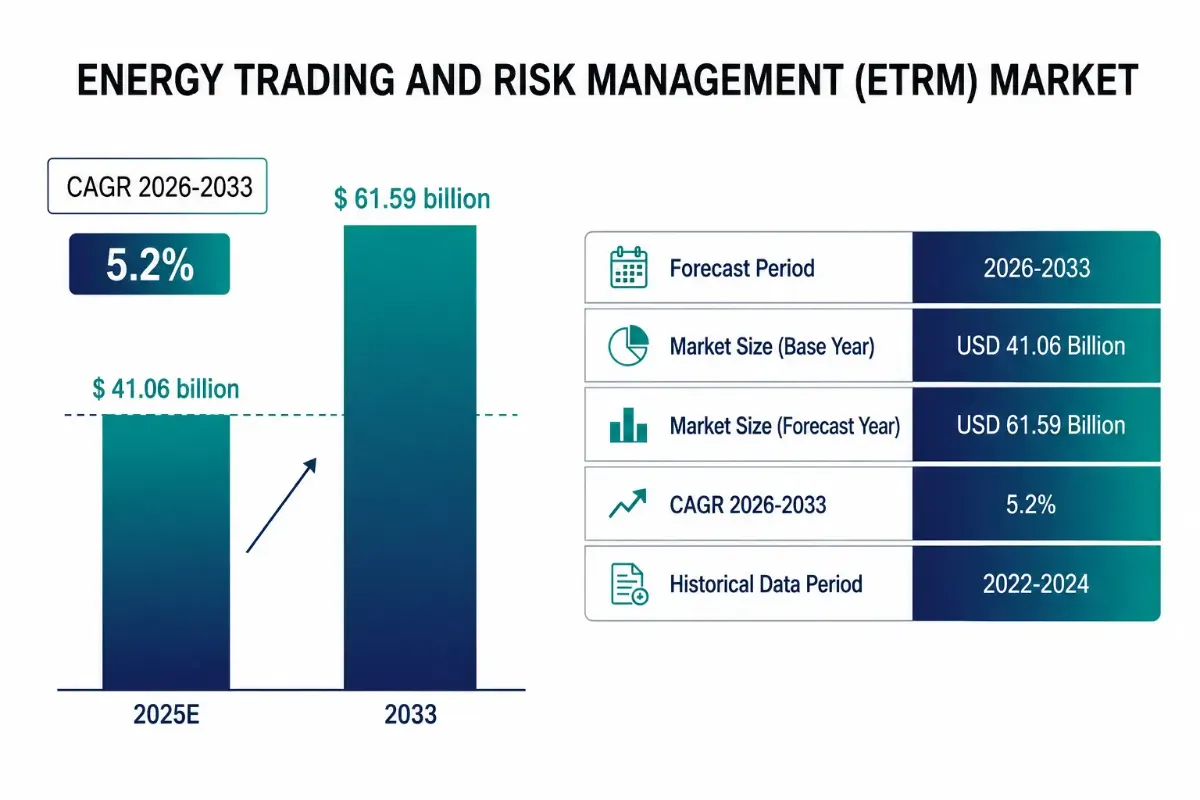
As discussed in Why Rising Oil Prices Could Become the Biggest Inflation Threat of 2026, higher energy costs can ripple through the entire economy.
Common Retirement Mistakes
Waiting Too Long
Time is one of the most powerful wealth-building tools.
Starting earlier often matters more than contributing larger amounts later.
Underestimating Healthcare Costs
Healthcare becomes increasingly important during retirement.
Ignoring these expenses can create significant financial pressure.
Relying Solely on Government Benefits
Public retirement programs may provide support but rarely replace a full income.
Ignoring Inflation
Retirement plans should account for rising costs over time.
How to Build a Retirement Portfolio Faster
Increase Savings Rate
Saving a larger percentage of income creates faster progress.
Invest Consistently
Regular investing helps take advantage of compound growth.
Avoid Lifestyle Inflation
Higher income does not require higher spending.
Eliminate High-Interest Debt
Debt payments reduce wealth-building capacity.
Focus on Long-Term Investing
Retirement planning is a marathon, not a sprint.
Are You On Track?
Retirement readiness depends on age, income, and net worth.
Many planners suggest benchmarks such as:
Age 30:
- 1x annual salary saved
Age 40:
- 3x annual salary saved
Age 50:
- 6x annual salary saved
Age 60:
- 8–10x annual salary saved
These are guidelines rather than strict rules, but they provide useful reference points.
Calculate Your Own Retirement Target
Every retirement plan is unique.
Income.
Location.
Spending habits.
Family situation.
Healthcare needs.
All influence how much money may be required.
Useful tools include:
These tools can help estimate how your current financial situation compares with long-term goals.
The Bottom Line
Retirement is not about reaching a magic number.
It is about generating enough income to support your desired lifestyle for decades.
For many households in 2026, a retirement portfolio between $1 million and $2 million may provide a comfortable retirement.
Others may require less.
Some may require significantly more.
The key is starting early, investing consistently, and focusing on long-term wealth building.
Because the sooner you begin planning, the easier retirement becomes.